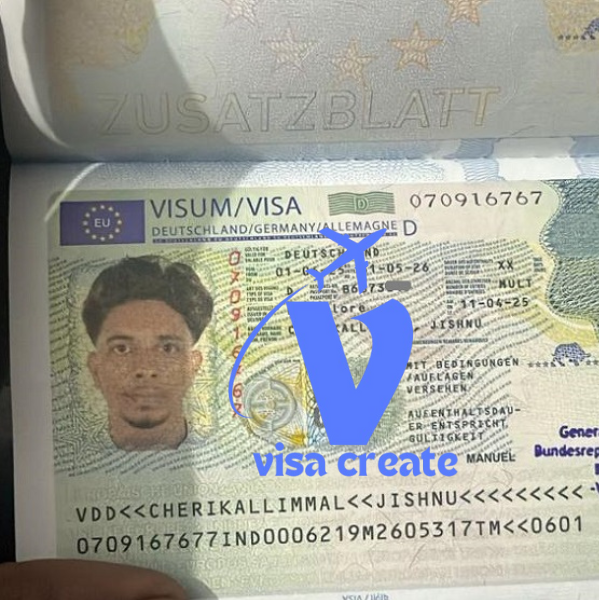
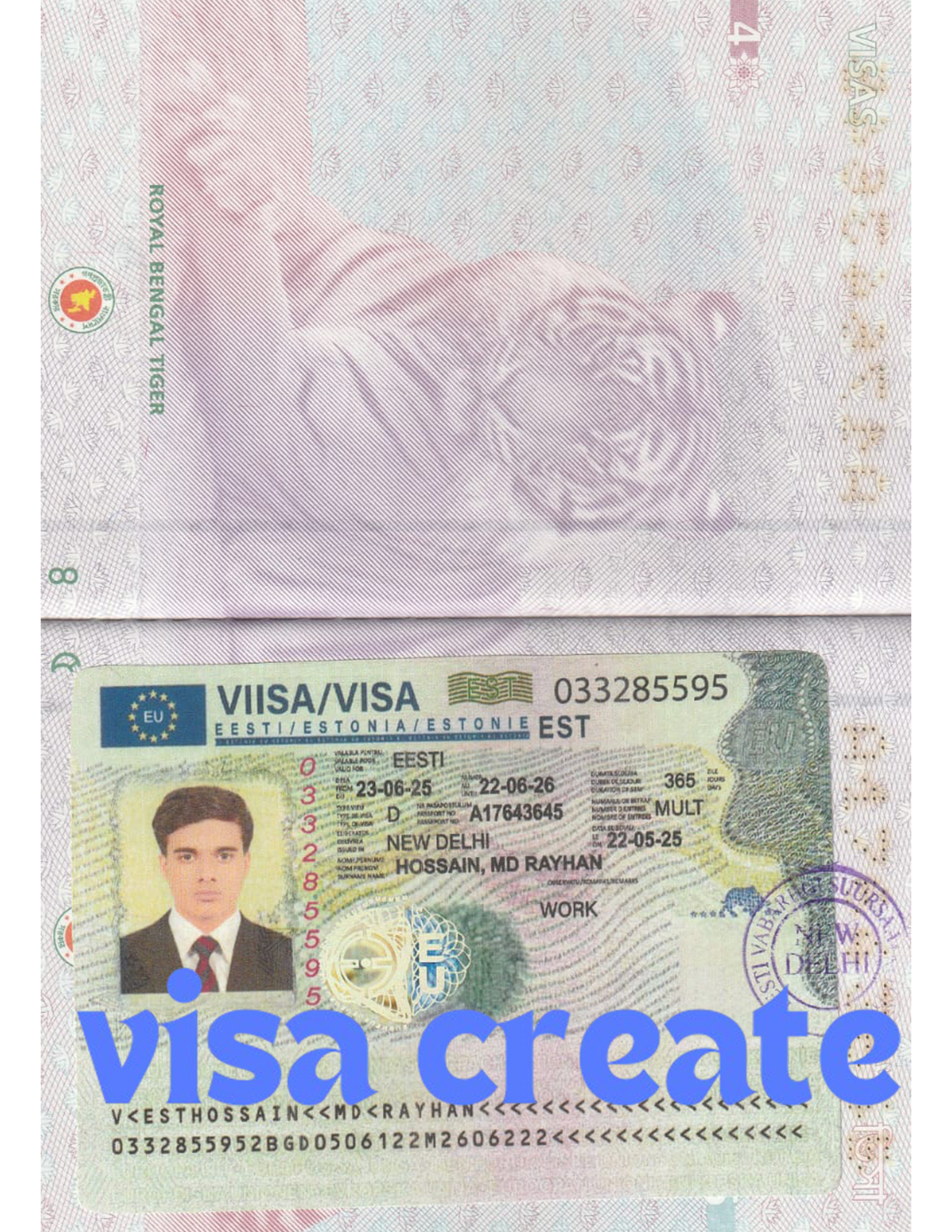
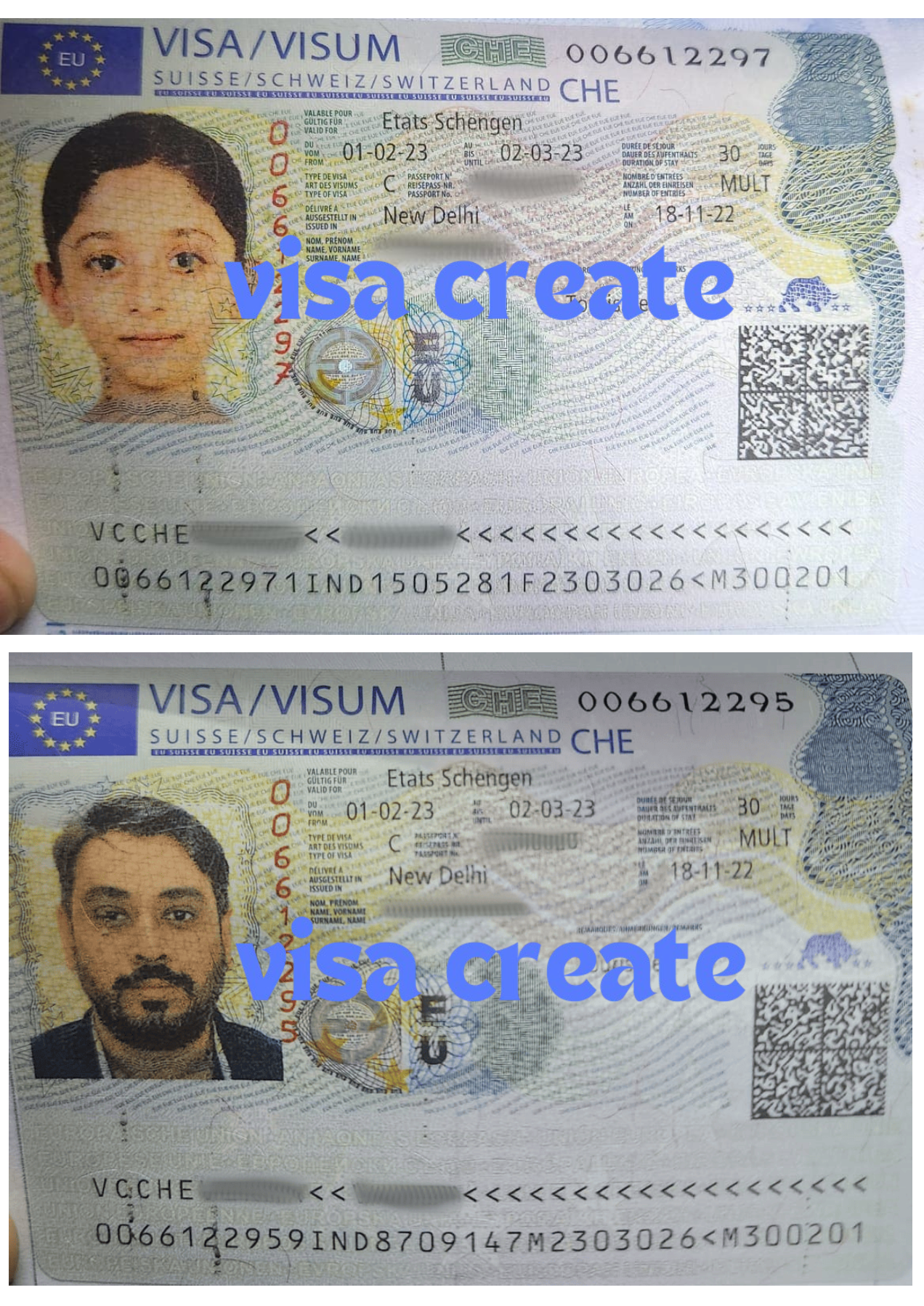
Here’s a step-by-step guide to getting a work visa (and work permit) for Germany as a Non-EU (third-country) citizen 🇩🇪:
🇩🇪 1) Check if You Actually Need a Work Visa
Most non-EU/EEA citizens do need a visa to come to Germany to work — specifically a national long-stay visa (Type D) that later becomes a residence permit with work rights.
Exceptions
Some non-EU nationals can enter Germany without a visa and then apply for their residence permit from in the country:
Citizens of Australia, Canada, Israel, Japan, New Zealand, South Korea, the UK or the USA can enter visa-free and then apply for a work residence permit after arrival — but if they want to start working immediately on arrival, they still often need a work visa issued first.
If you’re from another country, you must apply for a national work visa (Type D) before coming to Germany.
📍 2) Get a Concrete Job Offer First
You almost always need a job offer or employment contract from a German employer before applying. This is the foundation of your work visa application.
💡 The employer may need to provide details about your job, salary, working conditions, and sometimes they may need approval from the German Federal Employment Agency as part of the process.
🔹 3) Decide Which Visa Type Applies to You
🧑💼 Standard Employment Visa
📊 EU Blue Card (for highly-skilled workers)
For university graduates or highly qualified workers with a high salary.
Easier labour market access and future residence options.
Salary thresholds and qualification recognition apply.
🔍 Job Seeker (Opportunity Card)
🪪 4) Prepare Your Visa Application
You’ll usually apply at the German embassy or consulate in your home country. Typical requirements include:
✅ Valid passport
✅ Completed visa application forms
✅ Passport-style photos
✅ Employment contract from your German employer
✅ Proof of qualifications (degree, diploma) — sometimes officially recognized in Germany, sometimes translated/attested
✅ Proof of health insurance for the first period
✅ Proof of accommodation in Germany
✅ Proof of sufficient financial means
✅ Visa fee payment (often about €75)
📅 Apply no more than 3 months before your planned move.
✈️ 5) Attend Your Embassy Appointment
Once your application is submitted, you’ll generally:
attend an in-person appointment,
provide biometrics (fingerprints),
submit all originals + copies where required.
Processing can take several weeks (often 1–3 months).
🗝️ 6) Get Your Visa & Enter Germany
If approved, you’ll receive a national visa (D-visa) that lets you enter Germany. This visa usually includes or allows you to obtain your work permit.
🏙️ 7) Apply for a Residence Permit in Germany
Once you arrive:
📍 Visit the local Foreigners’ Authority (Ausländerbehörde) near your city of residence.
📍 Apply for your residence permit for employment (or EU Blue Card if that’s what you sought).
This residence permit is what actually lets you live and work legally for the duration of your contract.
👨👩👧 8) Can Family Join You?
If you’re granted a work residence permit or EU Blue Card, your spouse/children can typically apply for family reunion residence permits — though rules differ by nationality and income level, so check the German mission’s guidance.
📌 Quick Checklist
Secure a job offer from a German employer.
Decide the correct visa type (standard work visa, EU Blue Card, job seeker card).
Prepare documents & apply at German embassy/consulate.
Attend biometric/embassy appointment.
Receive visa and travel to Germany.
Apply for your residence permit with work authorization after arrival.
🧠 Tips
✨ Recognition of qualifications (ANABIN) — especially for skilled professions, getting your degree recognized in Germany can be important and sometimes required.
✨ Opportunity Card is a new flexible route for job search and entry.
✨ Only a tourist Schengen visa (short stay) does not allow you to work — you must have the national visa or residence permit.
If you tell me which country’s passport you have, I can tailor this with exact embassy requirements, forms, and typical processing times for that specific case! 🇩🇪✨