Here’s a simple, step-by-step guide to getting the right to work in Estonia as a Non-EU (third-country) citizen 🇪🇪:
🇪🇪 1) Know what permission you need
There are two main ways you can work in Estonia as a non-EU national:
🔹 Short-term employment (up to ~1 year)
You can work for up to 365 days within a 455-day period if your employer registers your work with the Estonian Police and Border Guard Board before you start work. No separate long-term residence permit is required for this short work — but you must still have a legal basis to enter and stay in Estonia (visa or visa-free if your nationality qualifies).
👉 This is often used if the contract is short (e.g., projects, gigs, seasonal).
🔹 Long-term work (residence permit for employment)
If your job will last longer than short-term limits, you must apply for a temporary residence permit for employment. This lets you live and work in Estonia long-term with a specific employer.
🧠 2) Get a job offer first
As with most European countries, you must have a job offer or contract from an Estonian employer before you apply for a work permit/visa. Your employer will be involved — especially for registration or permit steps.
🪪 3) Register short-term employment (up to 365 days)
If your job is short-term:
Your employer registers your employment with the Estonian Police and Border Guard Board before work begins.
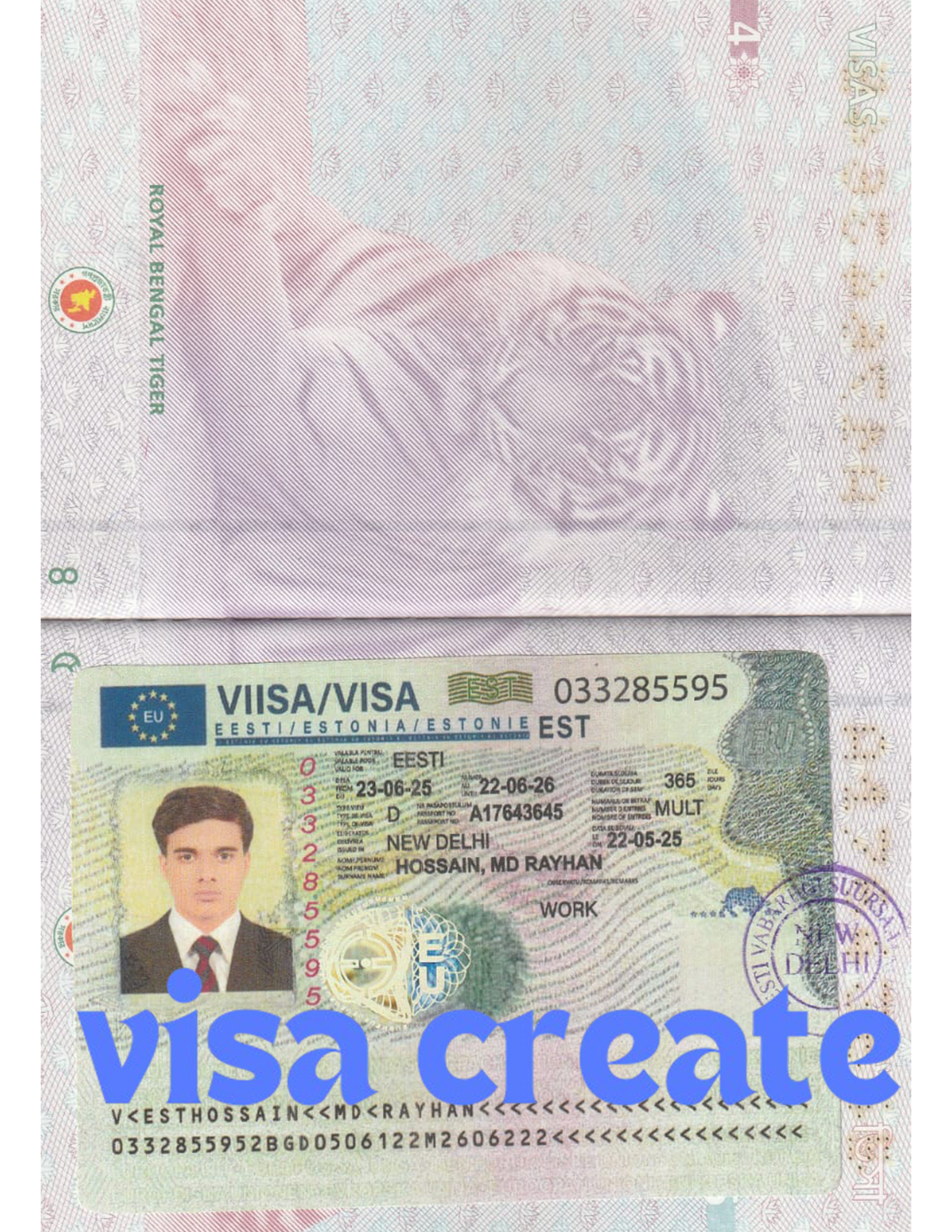
If your nationality requires a visa to enter Estonia, apply for a national long-stay visa (Type D) at the Estonian embassy/consulate before arriving — this visa lets you stay long enough to work and live.
If you are from a visa-free country, you can enter without a visa but still must have your employment registered before you start work and stay within short-term limits.
👉 Short-term work can be useful for projects, seasonal jobs, or temporary assignments.
📌 Important: registration must happen BEFORE you start working.
🛂 4) Apply for a residence permit for employment
If your job is longer or you want to live and work:
Apply for a temporary residence permit for employment — usually at an Estonian embassy/consulate abroad before arriving, or at a Police and Border Guard service office in Estonia if you already have legal stay.
Gather key documents (typically):
Valid passport
Signed job contract from your Estonian employer
Employment details (salary, working conditions)
Any required insurance or proofs (embassy may provide exact list)
Submit the application — processing times vary.
Once granted, this permit lets you live and work long-term with the employer named in the permit.
🧑💻 5) Other pathways
🧳 Seasonal Work
If your job is seasonal (e.g., tourism, agriculture), short-term registration applies with specific time limits (usually up to 270 days per year).
💼 EU Blue Card
For highly skilled professionals with a long contract and salary above a certain threshold, the EU Blue Card is another option that allows work and residence but has strict requirements.
🌍 Digital Nomad Visa
Estonia also offers a Digital Nomad Visa (different from an employment permit): it allows you to live in Estonia and work remotely for a foreign employer, not a local Estonian company. This is not the same as a work permit for local employment (and won’t give you an Estonian job contract right away).
📋 Summary Checklist
✅ Get a job offer from an Estonian employer
✅ Employer registers short-term employment OR you apply for a residence permit for employment
✅ If required, apply for a national visa (Type D) at your local Estonian embassy/consulate before travel
✅ Provide required documents and meet any salary/insurance conditions
✅ Wait for approval — then arrive and start working legally in Estonia
💬 Want help with the specific documents you need for your nationality (e.g., Indian, Nigerian, US citizens)?
Just tell me which passport you hold — I can list exactly what you’ll need and where to apply! 🇪🇪✨

Leave a comment
Your email address will not be published. Required fields are marked *